Translation missing: en.products.facets.filter
-
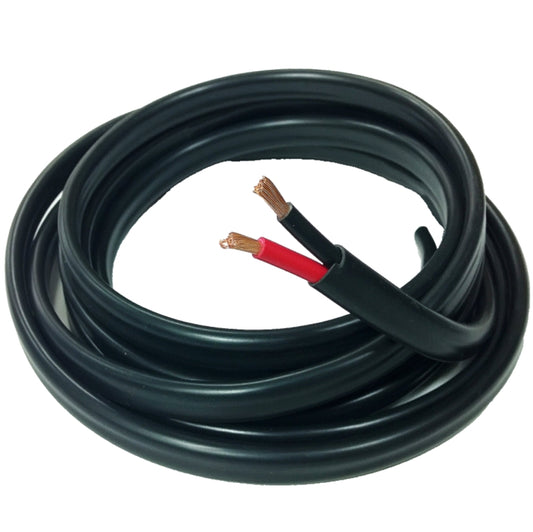
12m 8 B&S (8mm²) Twin-Sheath Red/Black Cable – Dual Battery, Caravan & Off-Road Use
$89.00 -
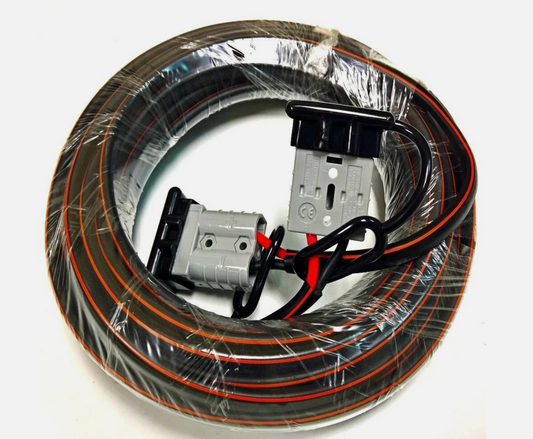
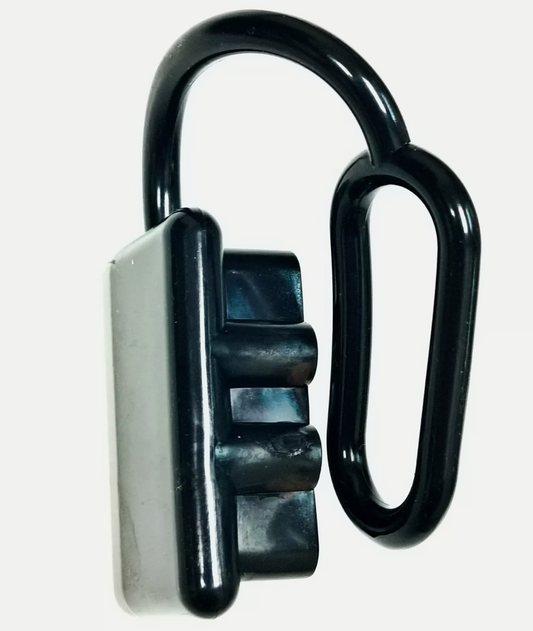
5m 6mm² Twin-Core 50A Anderson Plug Extension Lead with Dust Covers – Heavy-Duty Red/Black Power Cable (Copy)
$47.00 -
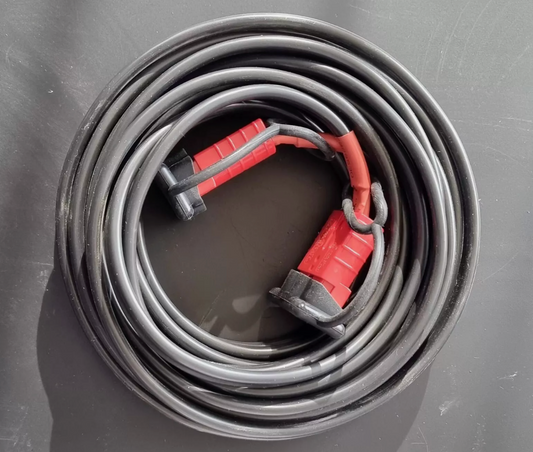
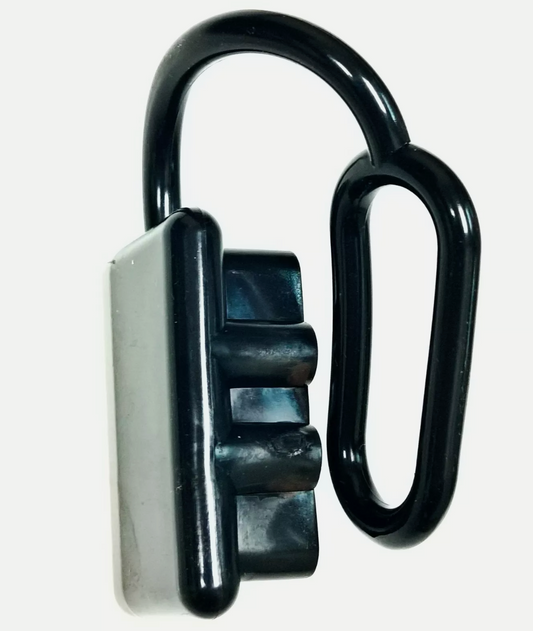
5m 8mm2 8 B&S 2-Core V90 PVC Insulated Cable with Anderson Plugs - Black/Red - 8mm² -8 awg (Copy)
$66.00 -
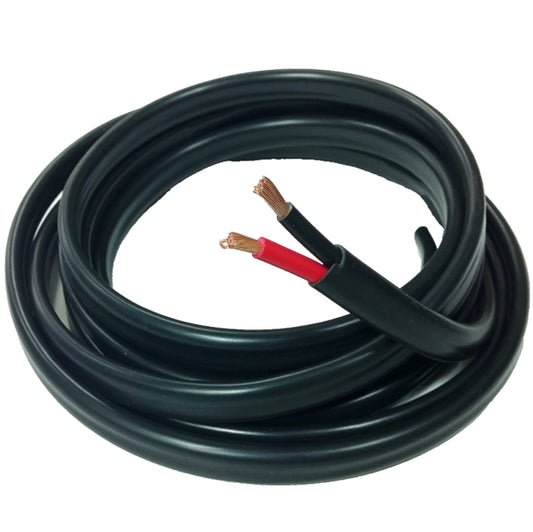
6B&S TWIN CORE CABLE DUAL BATTERY SYSTEM 14mm2 6 B&S 135 AMP 135A
$309.95 -
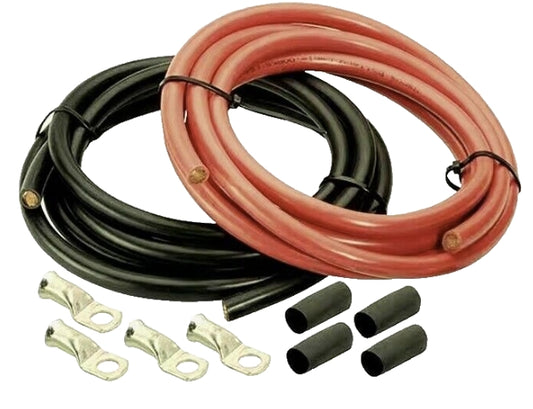
1.5M (2 B&S) High Amperage Inverter Wiring Kit - Premium Oxygen-Free Copper
$85.00 -
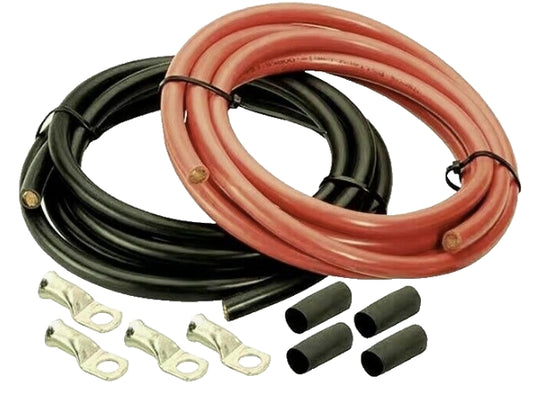
1.5M (0B&S) INVERTER WIRING KIT - High Amperage
$99.00 -
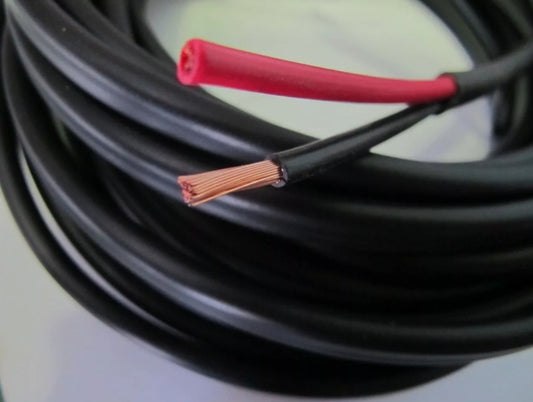
100m 6mm² Twin-Core Automotive Battery Cable – V90 PVC Insulated, RoHS & Australian Compliant (Black Sheath)
$415.00 -
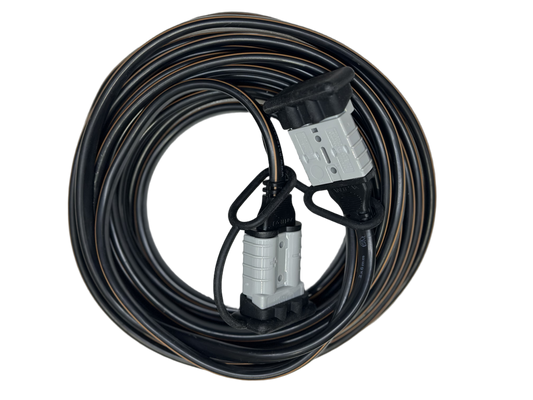
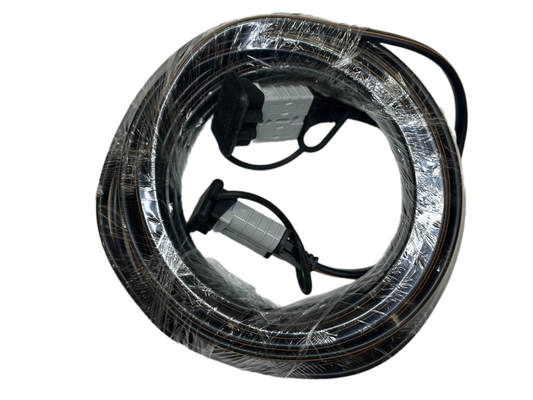
10m 6mm² Twin-Core 50A Anderson Plug Extension Lead with Dust Covers – Heavy-Duty Red/Black Power Cable
$65.00 -
10m 8mm2 8 B&S 2-Core V90 PVC Insulated Cable with Anderson Plugs - Black/Red - 8mm² -8 awg
$105.00
Not sure which one to choose?
Learn more about our products to find the perfect fit for your needs.
How to Choose the Right Product
What cable size (mm² / B&S / AWG) do I need?
Cable size determines how much current (amps) a cable can safely carry and how much voltage drop occurs over distance.
Choosing the correct size is critical for safety and performance.
Common applications include:
6mm² / 6 B&S – light loads and short cable runs
8mm² / 8 B&S – fridges, DC-DC chargers, medium loads
14mm² / 6 B&S – inverters and dual battery systems
For longer cable runs or higher current loads, a thicker cable is always recommended to reduce heat and voltage drop.
What is the difference between mm², B&S, and AWG?
Cable sizes may be listed using different measurement standards:
mm² – metric measurement of conductor cross-sectional area
B&S – Australian cable sizing standard
AWG – American Wire Gauge standard
These systems do not convert directly on a 1:1 basis.
Always check the amp rating rather than relying on size names alone when selecting a cable.
What amp rating do I need for my setup?
The required amp rating depends on your power system and connected devices.
Your cable must be able to safely handle the maximum current draw.
Typical examples:
- 50A Anderson plug systems – commonly use 6–8mm² cables
- 120A–135A systems – require 14mm² or larger cables
- Inverters – often require high-current cables with minimal voltage drop
When in doubt, sizing up provides better safety and long-term reliability.
How do I choose the correct cable length?
Cable length directly affects voltage drop and efficiency.
Shorter cables deliver power more efficiently, while longer runs require thicker cables.
Common use cases include:
- 1.5m–2m – inverter wiring kits
- 5m–10m – portable power and vehicle setups
- 12m+ – caravans, campervans, and off-road installations
Always consider both length and current when selecting your cable.
Are these cables suitable for automotive and off-grid use?
Yes. These power cables are designed for demanding environments, including:
- Dual battery systems
- Caravans and campervans
- Off-road and 4WD vehicles
- Inverter and off-grid power systems
They feature durable insulation, flexible twin-core or twin-sheath designs, and automotive-grade materials.
Australian-compliant specifications are provided where stated.
Need Some Help?
Need help choosing the right product? Our team is here to assist you.
Can't make a decision? No worries, Contact our team by phone or email.