Translation missing: en.products.facets.filter
-
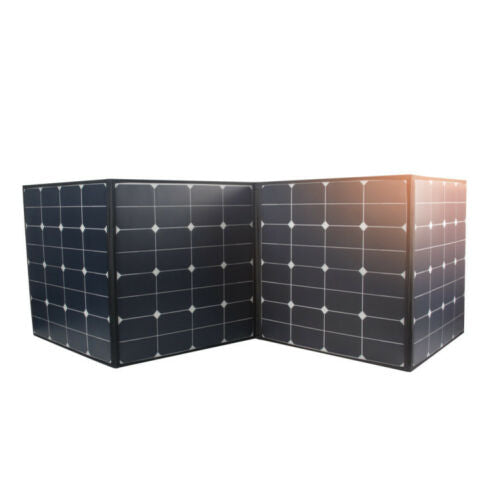
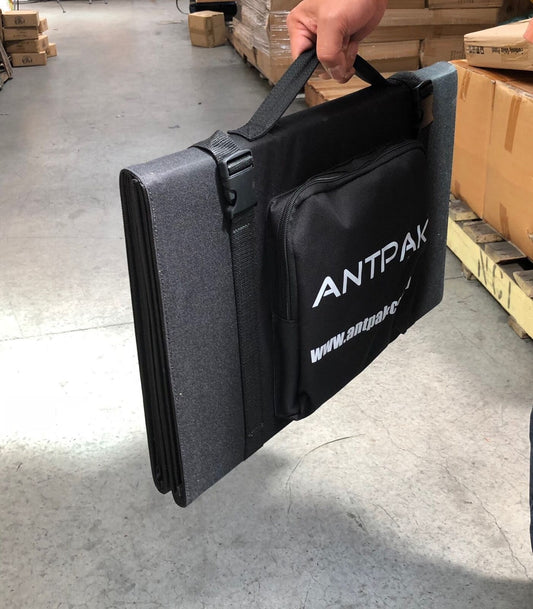
ANTPAK Mono 12V 120W Portable Blanket Solar Panel Caravan Camp Anti-Deformation
$289.00 -
ANTPAK Mono 12V 150W Portable Blanket Solar Panel Caravan Camp Anti-Deformation
$379.00 -
ANTPAK Mono 12V 180W Portable Blanket Solar Panel Caravan Camp Anti-Deformation
$539.00 -
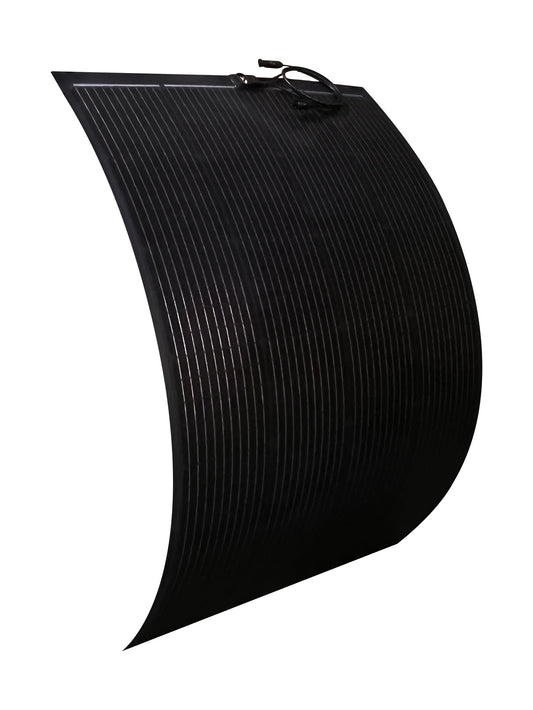
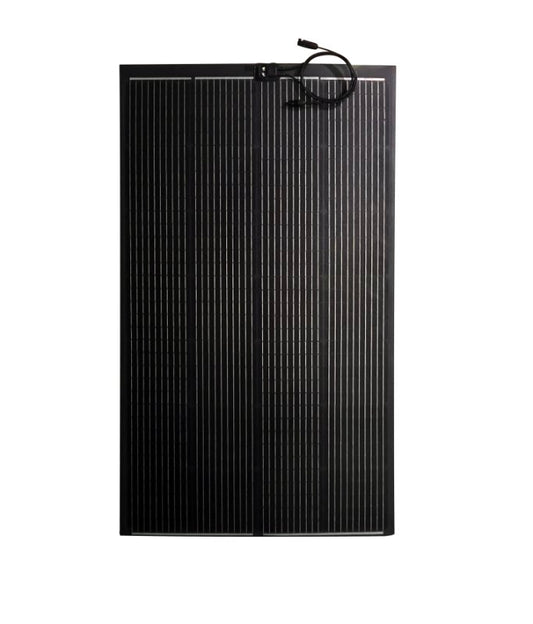
Flexible Solar Panel
$300.00 -
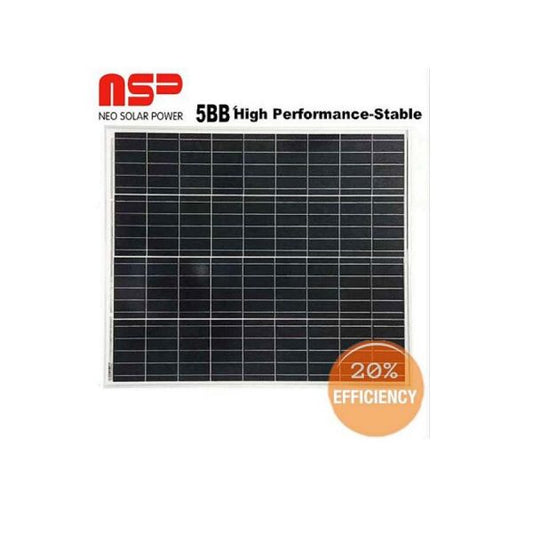
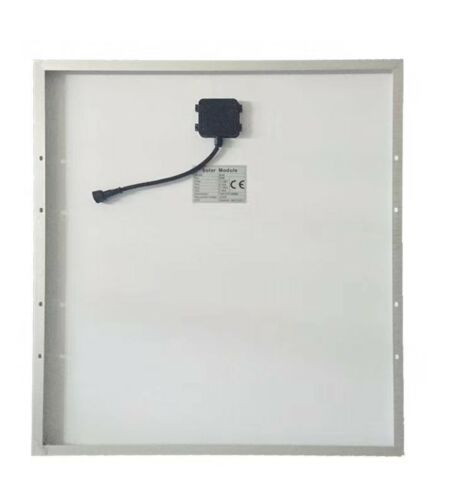
NSP Cells SOLAR Poly 5BB 12V 90W Solar Panel Caravan Boat Camping Charging
$99.00$39.00-60%
Not sure which one to choose?
Learn more about our products to find the perfect fit for your needs.
How to Choose the Right Product
What Are Solar Panels?
Solar panels are photovoltaic devices that convert sunlight into electrical energy. They provide renewable power for charging batteries, running appliances, and maintaining electrical systems in off-grid environments.
Types of Solar Panels
- Monocrystalline: Highest efficiency (20-22%), rigid aluminium frame, longest lifespan
- Flexible: Lightweight, bendable up to 30 degrees, ideal for curved surfaces
- Portable folding: Compact storage, built-in stands, carry bag included
- Fixed mount: Permanent roof installation for caravans and campervans
Applications
Solar panels are used to charge 12V lithium and lead-acid batteries in 4WD vehicles, caravans, campervans, boats, and off-grid cabins. They power fridges, lighting, water pumps, and USB devices during camping and travel.
Specifications Overview
- Power output: 100W to 400W per panel
- Voltage: 18V-20V nominal (12V system compatible)
- Cell type: Monocrystalline silicon
- Efficiency: 20-22% conversion rate
- Connectors: MC4 standard (compatible with most solar regulators)
- Warranty: 25-year performance guarantee on most panels
Sizing Guide
Calculate solar panel size based on daily power consumption and available sunlight hours. In Australia, expect 4-6 peak sun hours daily. A 200W panel produces approximately 800-1200Wh per day, suitable for charging a 100Ah lithium battery. For continuous off-grid use, size panels to generate 1.5x your daily consumption.
Installation Requirements
Solar panels require a solar charge controller (PWM or MPPT) between the panel and battery. MPPT controllers provide 15-30% higher efficiency than PWM. Ensure cable gauge matches distance and current rating to minimise voltage drop.
Need Some Help?
Need help choosing the right product? Our team is here to assist you.
Can't make a decision? No worries, Contact our team by phone or email.