Translation missing: en.products.facets.filter
-
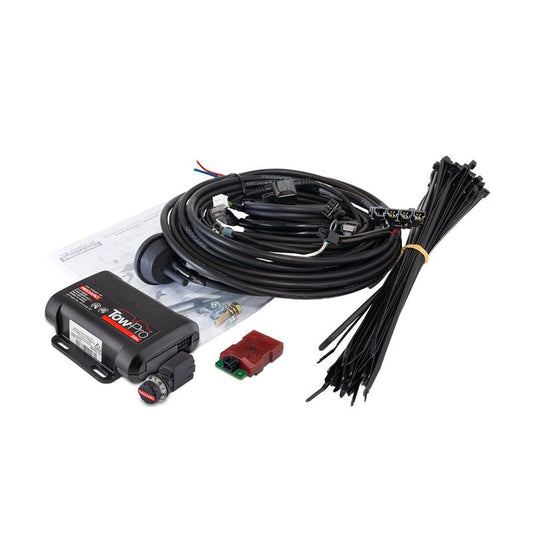
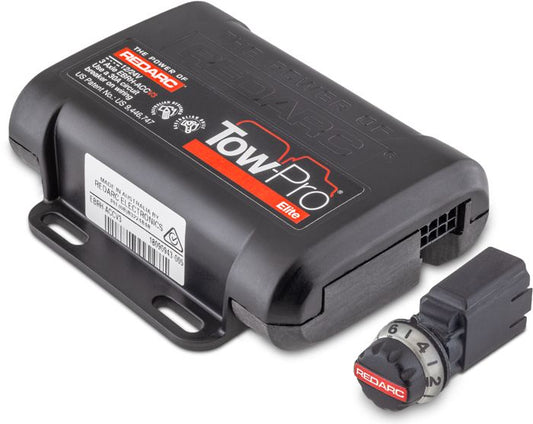
Tow-Pro Elite Brake Controller V3 12 & 24V Wiring Kit Extended Length TPWKIT-013
$549.00 -
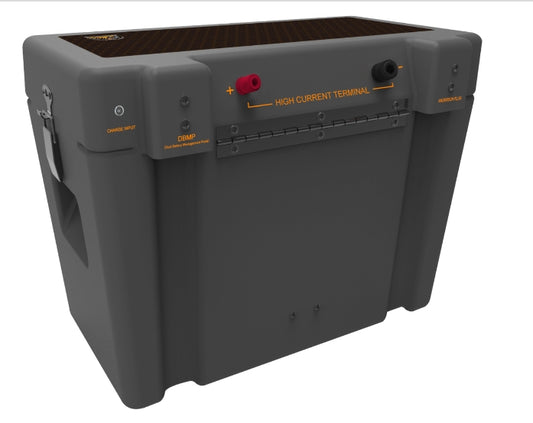
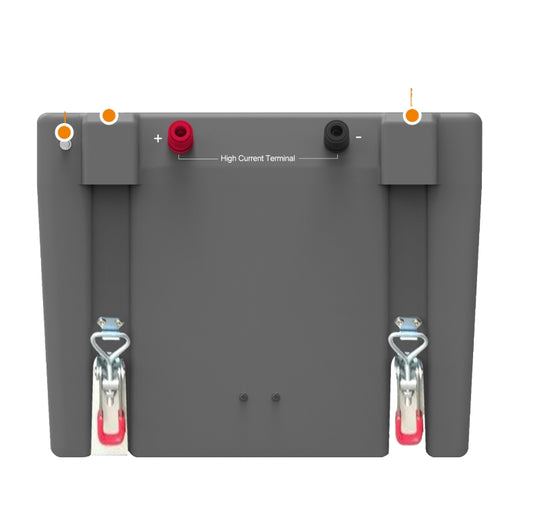
ANTPAK DC20 12V Lithium BOX DUAL BATTERY SYSTEM DC TO DC CHARGER SOLAR
$549.00 -
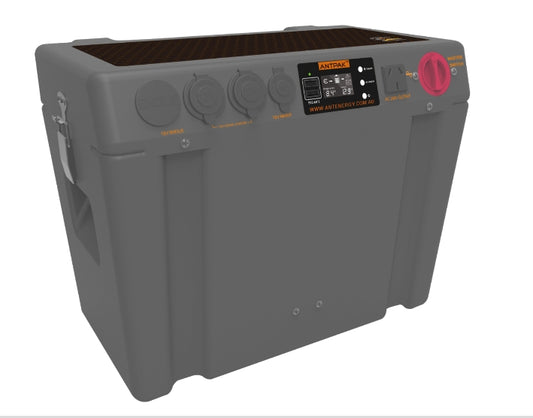
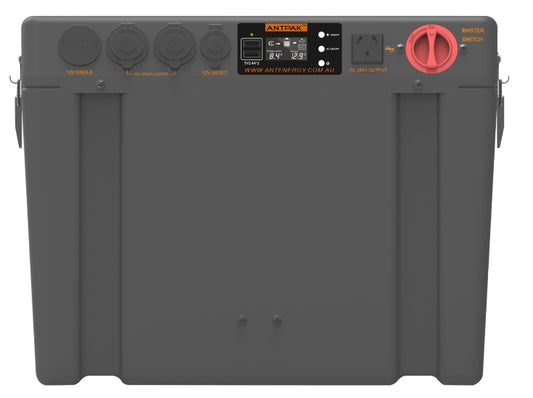
ANTPAK BP-800 Portable Lithium BATTERY BOX 800W INVERTER DC DC CHARGER SOLAR
$849.00 -
ANTPAK BP-300 Portable Lithium BATTERY BOX 300W INVERTER DC DC CHARGER SOLAR
$749.00 -
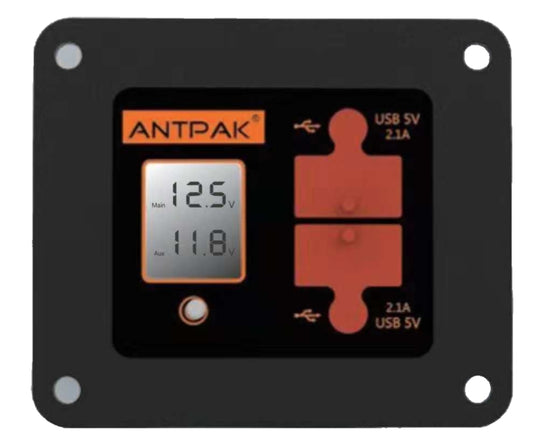
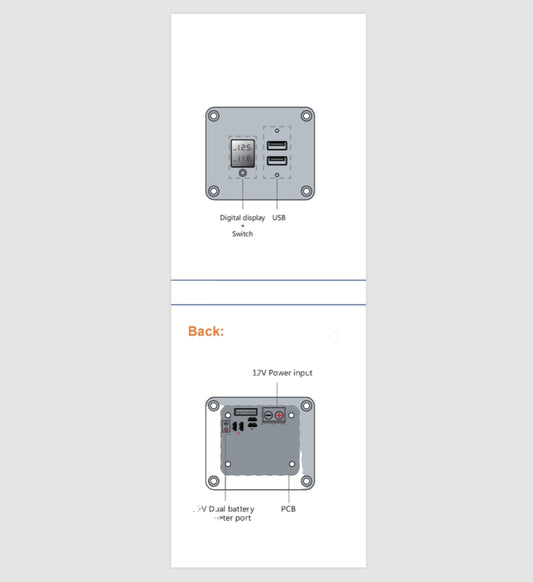
12V DC Power Panel Dual Battery Voltmeter 2X 2.1A (4.2A)USB Dual Battery Monitor
$35.00 -
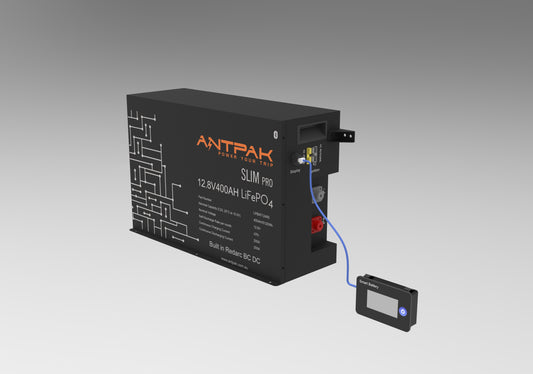
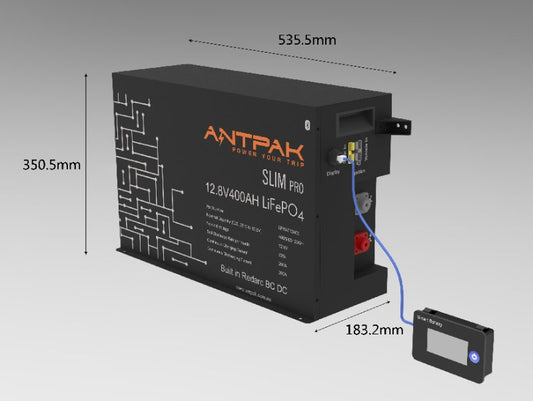
REDARC BCDC1240 Built in All in one - 12.8V 400Ah Power System display monitor
$6,499.00$3,299.00-49%
Not sure which one to choose?
Learn more about our products to find the perfect fit for your needs.
How to Choose the Right Product
What is a portable power station?
A portable power station is a rechargeable battery unit with a built-in inverter that converts stored DC power to AC household power. It provides multiple output types including AC outlets, USB ports, and 12V DC sockets for off-grid, camping, and backup power applications.
LiFePO4 vs lithium-ion batteries
LiFePO4 (Lithium Iron Phosphate):
- 2000–5000 charge cycles lifespan
- More stable chemistry, lower fire risk
- Heavier per Wh capacity
- Better performance in high temperatures
NMC/NCA Lithium-ion:
- 500–1000 charge cycles lifespan
- Lighter weight per Wh
- Lower upfront cost
How to calculate power station capacity needed?
Calculate your daily energy consumption:
- List each device's wattage
- Multiply by hours of use per day
- Add all devices for total Wh needed
- Add 20% buffer for inverter efficiency loss
Example: 12V fridge (50W × 24h = 1200Wh) + phone charging (20W × 2h = 40Wh) = 1240Wh minimum capacity recommended.
Power station charging methods
AC mains: Fastest charging at home or powered campsites (2–8 hours)
Solar panels: Off-grid charging via MPPT controller, speed depends on panel wattage and sunlight
12V DC (car): Charge while driving via cigarette socket or Anderson plug
Dual/triple input: Some units allow simultaneous charging for faster recharge
Need Some Help?
Need help choosing the right product? Our team is here to assist you.
Can't make a decision? No worries, Contact our team by phone or email.